
 Magyar

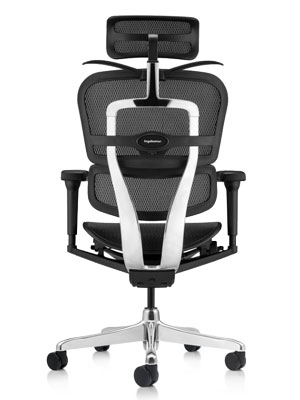
Chair Adjustment and Maintenance, Office Chair Guide
Setting up the Ergonomic Chair Step by Step

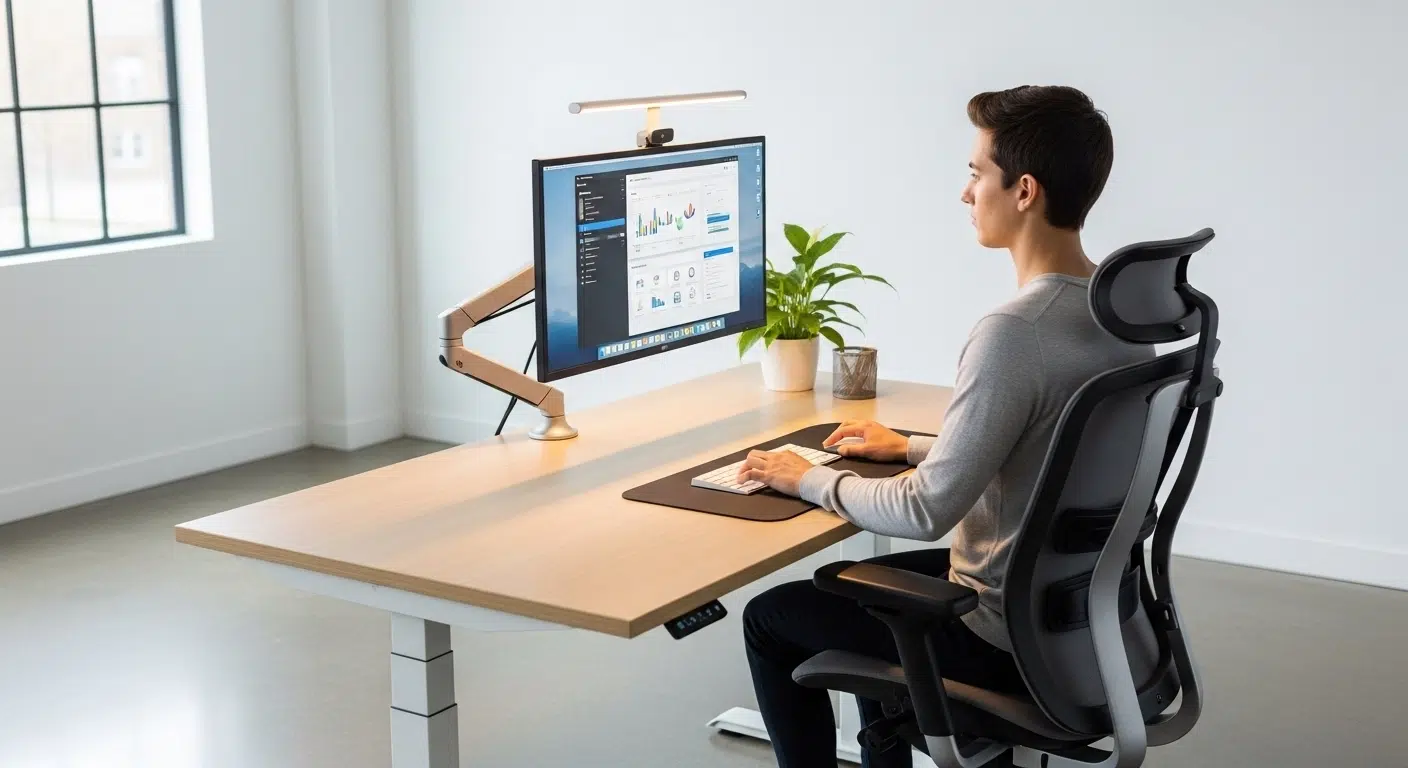
Backache after a long day at the office or home office? Stiff neck and shoulders? The solution may be closer than you think: the answer is the right ergonomic chair. Even a top-of-the-range ergonomic chair will only provide maximum support if it’s tailored to your body.
Before you start: the basic position
Before you start adjusting the levers and knobs, sit down in the chair so that your back is fully flat against the backrest and your feet rest on the floor. This will be your starting point.
Step 1: Setting the Seat Height – The Stable Base
Why is it important? Correct sitting height ensures proper circulation in the legs and relieves pressure on the lower spine.
How do you do it?
Adjust the height of the chair so that the foot rests comfortably on the floor. Your knees should be at an angle of about 90 degrees and your thighs should be parallel to the floor.
- Too high? Your feet are hanging in the air, putting pressure on your thighs.
- Too low? Your knees are higher than your hips, which puts pressure on your spine.
Step 2: Fine-tune the depth of the session
Why is it important? The right seat depth supports the thighs without compressing the blood vessels and nerves running through the knee joint.
How do you do it?
Slide all the way back in the chair. There should be a space of about 2-3 fingers (about 5 cm) between the bend of your knees and the front of the seat. This way, the chair does not cut into you or obstruct blood circulation.
Step 3: Backrest tilt angle and height
Why is it important? The backrest is designed to support the natural “S” curve of the spine, reducing pressure on the vertebrae.
How do you do it?
The backrest of most ergonomic chairs reclines slightly. The ideal angle is usually between 100 and 110 degrees. This position takes the strain off the spine, but does not cause it to “slouch”. If your chair has a height-adjustable backrest, position it so that the most convex part (the backrest) fits exactly into the curve of your waist.
Step 4: Precise adjustment of the lumbar support (Lordosis Support)
Why is it important? This is one of the most critical settings for back pain prevention. The function of the lumbar support is to fill the lower, concave curve of the spine.
How do you do it?
Adjust the height and depth of the waist support (if adjustable) so that it provides comfortable but firm support for your waist. Don’t push it too far forward, but also don’t allow a gap between your waist and the chair. The aim is to maintain the natural curvature of the spine.
Step 5: The Stakes – Saviors of the Shoulder
Why is it important? A poorly adjusted armrest can lead to shoulder and neck pain. The aim is to reduce the strain on the arms and shoulders.
How do you do it?
Lower your shoulders and loosely place your arms on the armrest so that your forearm and upper arm are at an angle of about 90 degrees. The armrest should be just high enough to gently support your forearm without having to pull your shoulders up. Also make sure that the armrest does not obstruct your approach to the table.
Step 6: Role of the Headrest (if any)
Why is it important? The headrest is primarily used to relieve the neck and head, especially when reclining, resting or concentrating.
How do you do it?
Adjust the headrest so that it supports the back of your head, the arch where the neck meets the head. You should not push your head forward.
Frequently Asked Questions (FAQ)
You should review the settings at least once a week, or immediately if you feel uncomfortable. The position and needs of your body can change during the day.
In this case, the use of an ergonomic footrest is essential. This ensures stable support for the feet and correct posture.
No. Although the basic principles (height, depth, backrest) are similar, chairs can have different mechanisms and extra adjustment options. Always read the instructions that came with your chair!
Now that you have your chair perfectly adjusted, the next step is to optimise the height of the table. Did you know that for ideal working conditions you should also adjust the height of the desk? Read our guide to height adjustable desks to get the full ergonomic formula!
Summary
Getting the right ergonomic chair is not a complicated process, but it is essential for long-term health and comfort. Take 10 minutes, follow these 6 steps and your body will thank you.
Want to know more about the ideal office environment? Read our flagship article, The PerfectErgonomic Chair: the Ultimate Guide (2025), where we cover all the details.
Discover Ergomax.hu’s range of premium ergonomic chairs and take the most important step towards healthy working!
Tetszett a cikk? Ne maradjon le a következőről!
Csatlakozzon az Ergomax közösséghez! Szakértői tippeket küldünk a hátfájás ellen, és elsőként értesítjük az exkluzív akciókról. Kezdje a fájdalommentes munkát még ma!